
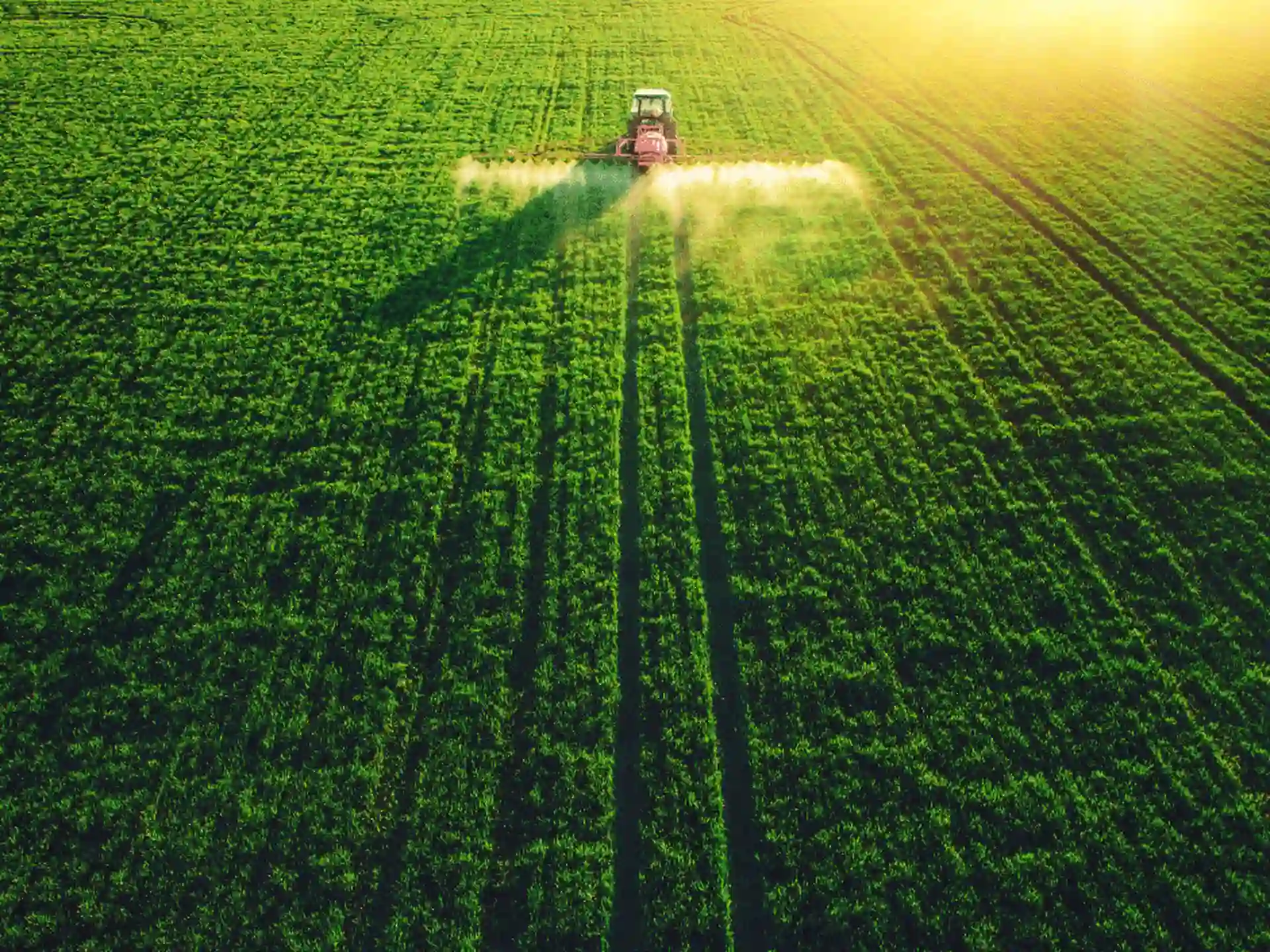
Rethinking Glyphosate – How Soil Biology Opens New Possibilities
Introduction
For Lyn and Graham Maddock, the recent retraction of the 2000 landmark study claiming glyphosate posed no health risk1 comes as no surprise. Their own experience told a very different story, one that ultimately led to the creation of NutriSoil.
A chemical spill left Graham drenched in an insecticide, resulting in 12 months bedridden and long-term health complications. That moment changed the trajectory of the Maddock family forever. It sparked a three‑decade quest to understand how to farm without chemicals and ignited a deep passion for helping farmers grow life‑enriching, chemical‑free food while maintaining profitable, sustainable farming systems.
As they explored biological farming and alternative inputs, the Maddocks came to appreciate the profound connection between soil health, food quality, and human wellbeing. Speaking with Lyn during NutriSoil’s strategic planning session in January, her frustration was unmistakable – the disconnect between how food is grown and the rise of cancer and other health challenges is still far too wide. Closing that gap will be a major focus for the NutriSoil team in 2026.
The Power of Microbes
Microbes are the oldest living organisms on Earth, and without them, plants simply could not survive. Long before nutrient applications existed, plants relied entirely on soil microbes to access essential nutrients, forming a sophisticated symbiotic relationship.
Microbes do far more than deliver nutrients. They strengthen plant immunity, enhance resilience to environmental stress, and help maintain overall plant function.
Just as a diverse gut microbiome is essential for human health2, a diverse soil microbiome is essential for plant health3. The parallels are striking, in both systems, microbes help:
- Break down toxins
- Support immunity
- Protect against pathogens
- Break down organic matter (food)
- Produce chemical signals
- Support metabolism and overall physiological function
And just like in humans, poor microbial diversity in soil leads to vulnerability, disease, and reduced performance.
The Role of the Worm
Worms have lived in soil for around half a billion years, as long as plants themselves. In their search for a safer, more sustainable way to farm, the Maddocks developed a deep respect for the humble earthworm and its extraordinary contribution to soil health.
The value of worms has been recognised since ancient times, from Aristotle4 to Cleopatra5. After seeing dramatic improvements in their pastures from applying worm castings, the Maddocks built their first worm beds and began experimenting.
Through years of trials, Graham developed a unique vermiculture recycling system that captures all worm excretions and transforms them into a powerful plant biostimulant – NutriSoil.
Composting worms used in NutriSoil:
- Break down organic material
- Digest toxins and microbes
- Excrete microbes in balance (reducing pathogens, supporting beneficial species)
- Produce mucus that acts as a natural surfactant
- Release plant‑available nutrients, amino acids, hormones, and chemical messengers
The result is two products – NutriSoil Biological Solution and NutriSoil Castings, both rich in microbial diversity and compounds essential for plant health.
Top Tips for reducing chemical use
The NutriSoil team has spent decades researching, trialling, and collaborating with leaders in regenerative agriculture to understand how farmers can safely reduce chemical inputs without sacrificing profitability. A holistic approach is essential. NutriSoil products contain a diverse range of microbes that help stimulate biological activity in the soil, and when paired with the right management practices, they can accelerate the shift toward healthier, more resilient farming systems.
The following steps — adapted to suit your farming system — can help build microbial diversity and reduce reliance on synthetic chemicals:
- Inoculate seeds at sowing with NutriSoil Biological Solution, replacing pesticides and fungicides that can harm beneficial microbes.
- Apply foliar applications during the growing season to feed soil biology and support plant health.
- Use NutriSoil as a buffer when applying herbicides to improve herbicide efficiency and support faster recovery of non‑target plants when using targeted products.
- Incorporate NutriSoil Castings where appropriate, whether through a Tow & Fert, a belt spreader, or as a compost extract, to further increase microbial diversity.
Biologically active soils have a remarkable ability to detoxify the harmful impacts of synthetic chemicals – including herbicides, insecticides, pesticides, and fungicides. This means these tools can remain available when genuinely needed, but can be used in smaller amounts and broken down more quickly, reducing the residues that make their way into food.
NutriSoil is aware of farmers who have built such strong biological activity in their soils that synthetic chemicals, can be used in smaller amounts when needed and leave no detectable traces in harvested grain. It’s a powerful reminder of what’s possible when soil biology is prioritised.
The NutriSoil Dream
NutriSoil was born out of necessity. After Graham’s chemical exposure, using synthetic inputs was no longer an option. The family needed a safe alternative and they built one.
Thirty years later, Lyn remains fiercely committed to providing farmers with safe, effective biological tools that also benefit consumers. With increased research highlighting the link between chemical use and cancer1, the Maddocks’ mission feels more urgent than ever.
The NutriSoil team is deeply protective of farmers and understands the realities of modern agriculture. Their goal is to help farmers increase biological activity in their soils, reducing reliance on synthetic chemicals while maintaining, and often improving, profitability.
They’ve seen it firsthand, farmers who adopt biological inputs and build microbial activity can dramatically reduce synthetic chemicals, while improving soil function and farm margins.
In 2026, the family‑owned business will expand its support for farmers through the Hub Care Program, helping more producers understand, build, and benefit from biologically active soils.
The NutriSoil team welcome your call about how they can support you in developing a holistic approach to reducing synthetic inputs, addressing soil constraints, and getting biology working for you.
REFERENCES
- A Study Is Retracted, Renewing Concerns About the Weedkiller Roundup https://www.nytimes.com/2026/01/02/climate/glyphosate-roundup-retracted-study.html
- Gut Microbes and Health: A Focus on the Mechanisms Linking Microbes, Obesity, and Related Disorders
- Unearthing the power of microbes as plant microbiome for sustainable agriculture https://pubmed.ncbi.nlm.nih.gov/38970905/
- Microbial diversity of vermicompost bacteria that exhibit useful agricultural traits and waste management potential https://pmc.ncbi.nlm.nih.gov/articles/PMC3725894/#:~:text=Earthworms%20are%20capable%20of%20transforming,Seward%201903;%20Martin%201976).
5. The Ecologist February 1972: The value of the ‘underrated’ earthworm https://theecologist.org/2012/feb/15/ecologist-february-1972-value-underrated-earthworm#:~:text=The%20Ancient%20Egyptians%20valued%20the